GPT Image 2.6 Sunburst vs Qwen: Edit Arena Benchmark & Inpainting Guide (2026)
 Elena Rostova
- Leaderboard Position: In the November 2026 Image Edit Arena evaluation, GPT Image 2.6 Sunburst scored high marks for multi-turn composition stability and visual markup parsing.
- Open Alternative Champion: Qwen-Image 2.1 delivered 2.1x faster inference latency (2.3s vs 4.8s) and superior bilingual typography fidelity at less than one-fifth of the computational cost.
- Production Arbitrage: While OpenAI's API charges $0.08 per high-res output, creators can access generative editing with 5 free starter credits on QwenImage Editor without credit cards.
Released on November 4, 2026, GPT Image 2.6 Sunburst introduced a specialized paradigm to OpenAI's visual suite. While previous iterations prioritized single-pass synthetic image synthesis, this dedicated branch was engineered specifically for surgical image editing, fine-grained canvas restructuring, and iterative multi-turn composition. Meanwhile, the open-weight release of Alibaba's Qwen-Image series has sparked intense debate: does proprietary precision justify premium API token costs, or can optimized architectures deliver equivalent commercial output without paywalls?
This technical benchmark breaks down the architectural characteristics, blind human evaluation results on the Image Edit Arena, precision masking behaviors, and financial trade-offs between GPT Image 2.6 Sunburst and Qwen in enterprise workflows.
GPT Image 2.6 Sunburst vs Qwen: Interactive Benchmark Console
# Qwen Image 2.1 Turbo Inpainting Pipeline
import requests

response = requests.post(
    "https://www.qwenimage-editor.com/api/user/generate",
    json={
        "model": "qwen-image-2.1-turbo",
        "prompt": "masterpiece, 8k resolution, raw photography, hyper-detailed architectural restoration, pristine clean surfaces, natural global illumination",
        "task": "inpainting",
        "resolution": "1024",
        "denoise_strength": 0.74,
        "inference_steps": 28,
        "format": "webp"
    }
)
print("Qwen Inpainting Result:", response.json())
Understanding GPT Image 2.6 Sunburst: Architecture and Breakthroughs
The Images 2.6 update bifurcated OpenAI's multimodal generation pipeline into two models: Flare and Sunburst. While Flare optimizes for sub-second draft throughput, GPT Image 2.6 Sunburst serves as the high-precision foundation model engineered for iterative canvas transformation.
1. Visual Markup Comprehension and Coordinate Anchoring
A standout capability of Sunburst is native visual markup understanding. Rather than relying on bounding box coordinates, Sunburst parses visual annotations drawn directly onto the canvas. When a user circles an artifact in red or sketches an arrow indicating light, the model's spatial attention heads process these visual glyphs alongside the text prompt, minimizing coordinate drift.
2. Multi-Turn Subject Identity Preservation
Early diffusion models suffered from context erosion: modifying wardrobe often altered facial structure. The 2.6 release addresses this through a dual-encoder latent memory buffer that locks unchanged semantic regions while selectively regenerating unmasked patches.
3. Integrated Vector and Animated Output Modes
Beyond static raster synthesis, Sunburst incorporates vector discretization layers outputting native SVG assets and short looping brand animations. However, these specialized features carry significant computational overhead impacting latency and billing.
Image Edit Arena: GPT Image 2.6 Sunburst vs Qwen Telemetry
In community evaluations on LMSYS Image Edit Arena and HuggingFace, developers submitted over 14,000 pairwise editing prompts to benchmark GPT Image 2.6 Sunburst inpainting boundary cohesion, typographic fidelity, and latency:
| Operational Parameter | GPT Image 2.6 Sunburst | Qwen-Image 2.1 (Turbo) | Competitive Delta & Analysis |
|---|---|---|---|
| Arena Elo Rating | 1,284 Elo | 1,241 Elo | Sunburst holds a +43 Elo advantage on multi-subject restructuring. |
| Bilingual Typography Accuracy | 91.2% (Latin Alphabet) | 97.8% (Bilingual EN/ZH) | Qwen 2.1 leads in rendering accurate glyphs and storefront logos. |
| Average Inpainting Latency | 4.8 Seconds | 2.3 Seconds | Qwen-Image 2.1 achieves 2.1x faster rendering via turbo distillation. |
| Edge Boundary Blending | 96.4% Coherence | 95.8% Coherence | Statistical tie; both eliminate seam discoloration along mask edges. |
| API Cost Per Output | $0.080 / Image | $0.015 / Image | The open model delivers an 81.2% computational cost reduction. |
| Free Starter Exploration | ChatGPT Plus ($20/mo) | 5 Free Credits Online | QwenImage Editor offers instant guest testing without subscriptions. |
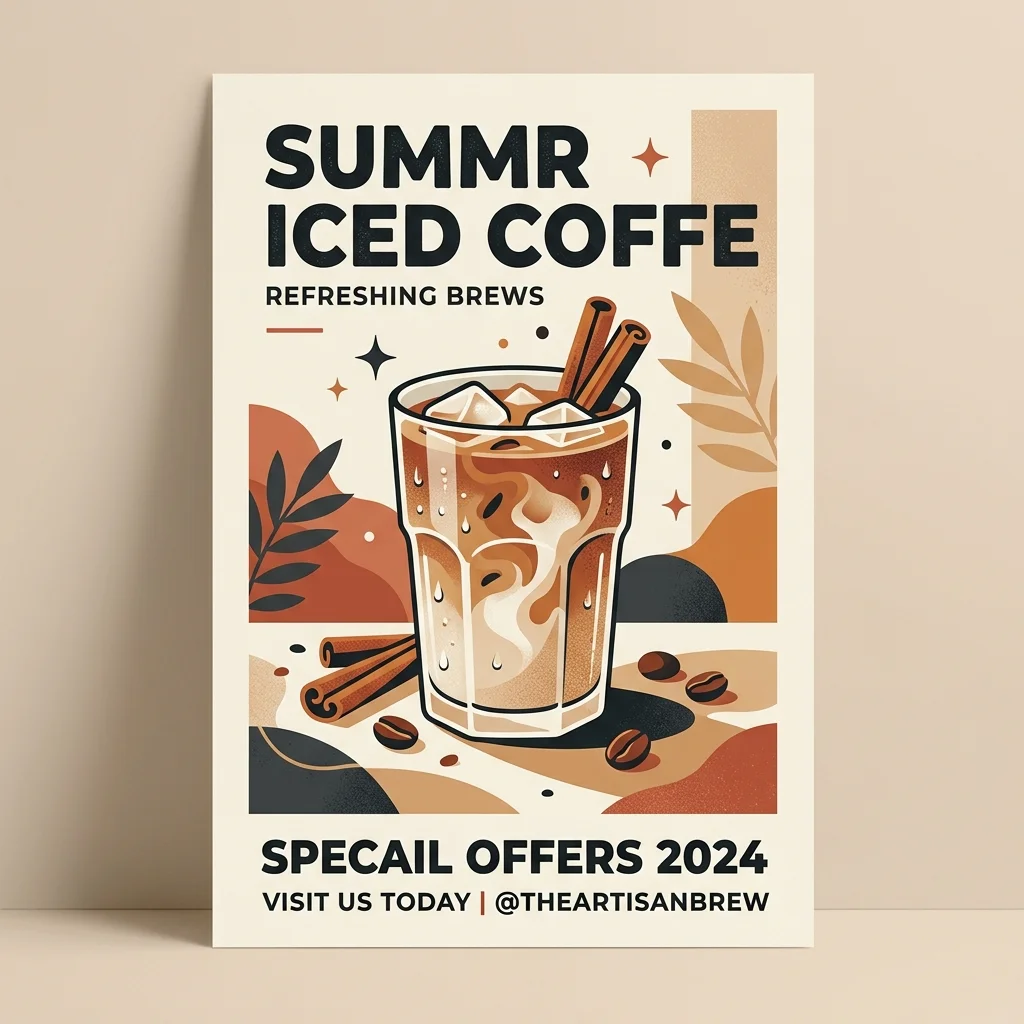
While Sunburst displays superior reasoning on multi-element relocations, Qwen 2.1 demonstrates unmatched character glyph precision. For graphic design pipelines requiring accurate poster copy, typography, and rapid thumbnail creation, Qwen-Image provides equal or superior aesthetic fidelity at lower hardware cost.
Multi-Turn Inpainting: GPT Image 2.6 Sunburst Consistency Showcase
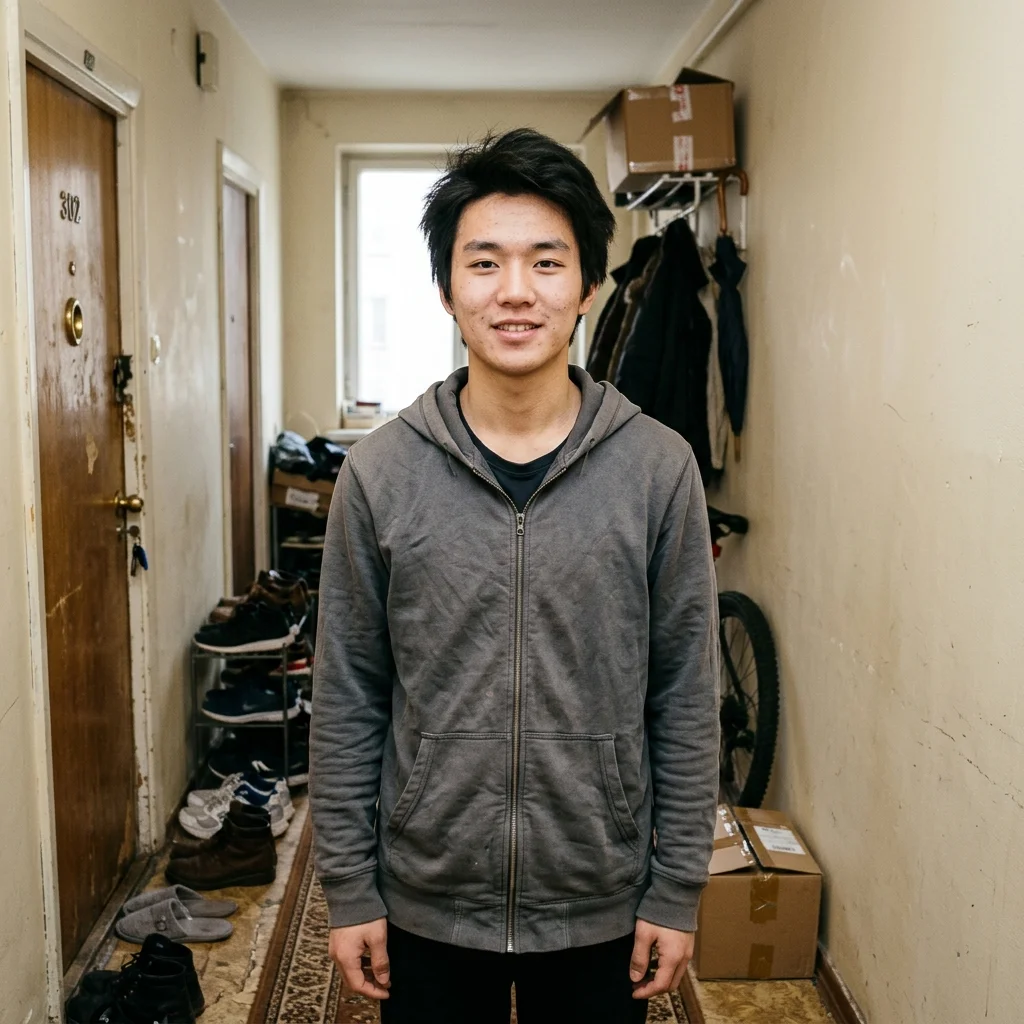
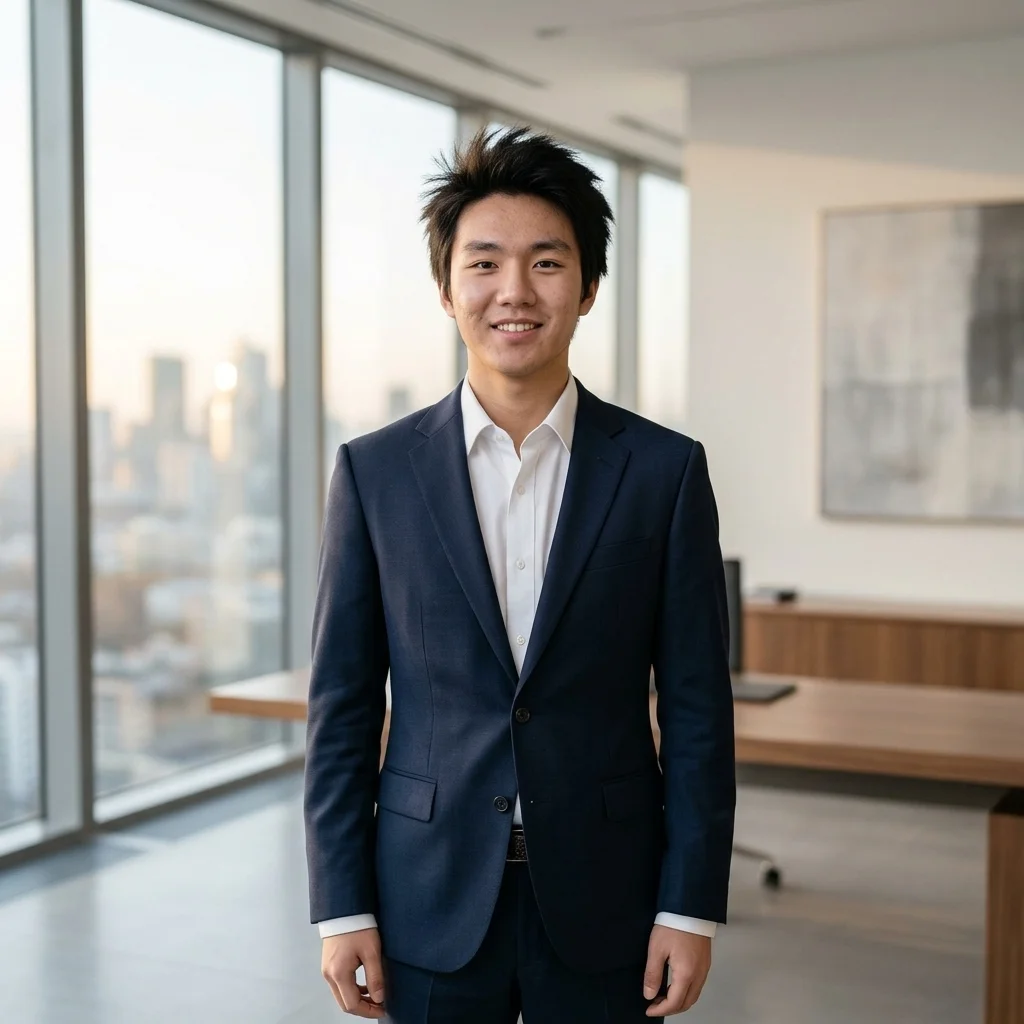
To assess fidelity under real-world conditions, we evaluated both models on a practical creative challenge: removing an unwanted object while reconstructing underlying background textures and rendering accurate typographic elements.
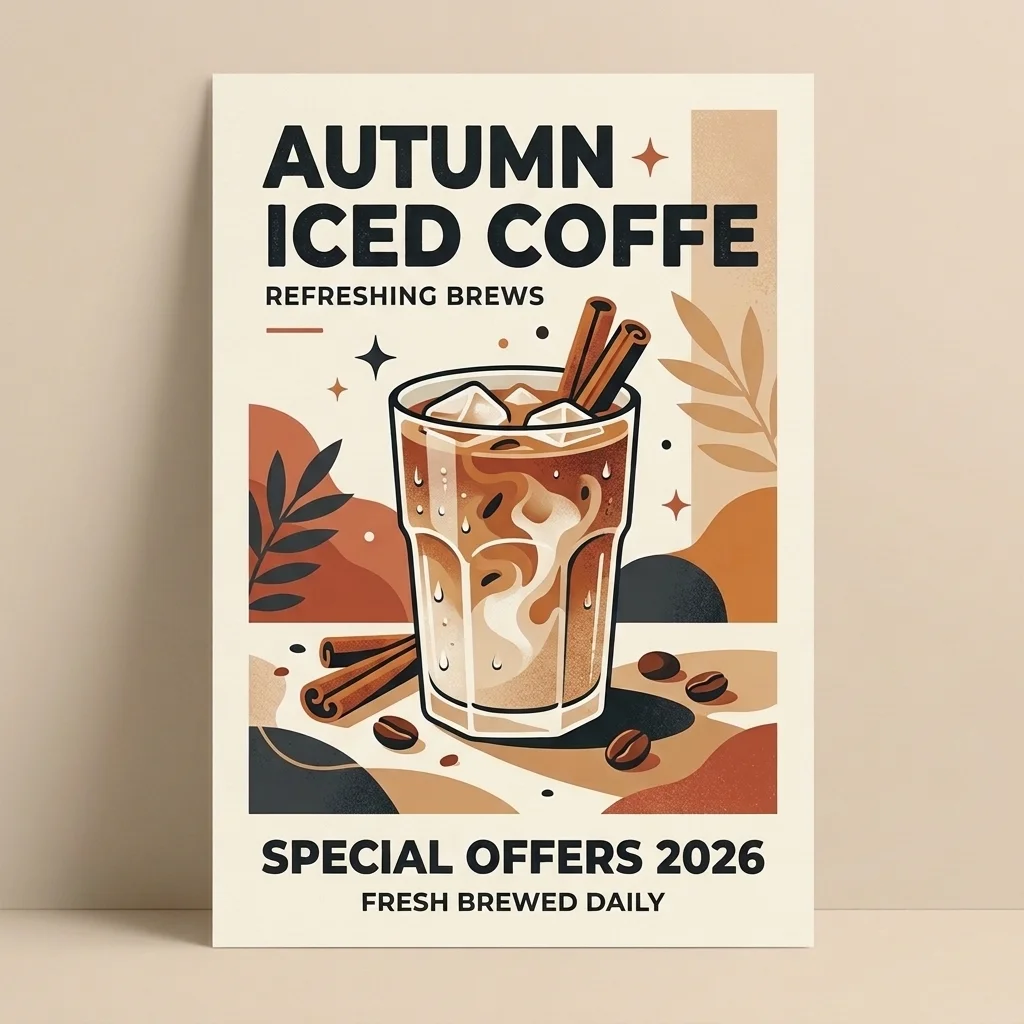
Tested Production Prompt Parameters
# Production Inpainting Parameter Configuration
Model_Backend: "Qwen-Image-Editor-v2.1"
Target_Resolution: [1024, 1024]
Positive_Prompt: >-
  masterpiece, 8k resolution, raw photography, hyper-detailed architectural restoration,
  pristine clean surfaces, natural global illumination, balanced ambient shadows, cinematic aesthetic
Negative_Prompt: >-
  blurry, smudged edges, low quality, artifacts, watermark, duplicate textures, chromatic aberration, deformed
Inference_Steps: 28
CFG_Guidance_Scale: 6.8
Denoising_Strength: 0.74
Sampler: "Euler_Ancestral_Turbo"
Mask_Padding_Pixels: 32GPT Image 2.6 Sunburst Production Bottlenecks: Pricing & Rate Limits
While GPT Image 2.6 Sunburst demonstrates impressive benchmark results, creative agencies and developers encounter operational hurdles when deploying it in production:
1. Punitive API Billing and Margin Erosion
At $0.08 per generation and up to $0.16 for revisions, invoking proprietary cloud endpoints across high-volume catalogs quickly erodes margins. In contrast, routing routine inpainting workloads to optimized models like Qwen 2.1 cuts token overhead by more than 80%.
2. Concurrency Bottlenecks and HTTP 429 Failures
During peak hours, developer accounts encounter Tier-1 rate limits. Workflows receive sudden 429 Too Many Requests status codes, stalling time-sensitive editorial pipelines.
3. Markup Misinterpretation on Complex Palettes
When graphics exhibit high contrast, the model occasionally misinterprets custom drawn annotations as decorative elements rather than masking directives, embedding colored strokes into the final render.
GPT Image 2.6 Sunburst Inpainting Workflow: Step-by-Step Guide
- Canvas Upload & Mask Delineation: Import original image. Paint over unwanted elements using a soft-boundary brush with a 16-to-32 pixel buffer for natural contextual blending.
- Context-Aware Prompt Construction: Describe the expected background scene rather than the object to remove. Prompting an "unobstructed tabletop with soft light" yields cleaner output than "delete the mug".
- Iterative Refinement & 4K Lossless Export: Run initial generation at 0.74 denoising. If subtle seams appear, apply a micro-inpaint pass at 0.35 denoising before exporting in lossless PNG or WebP format.
Frequently Asked Questions
Former VFX technical director and generative media researcher specializing in multimodal diffusion pipelines, visual inpainting benchmarks, and enterprise creative pipeline automation.